

So… what, am I suggesting that EVERY game should have this first action that will make your game differ depending on said choice?
Well, no, I just want to put attention to how important a game’s first meaningful action is to establishing what kind of game the player is going to play.
It doesn’t HAVE to be a choice, it could just be an ability that you will use for the rest of the game, being introduced in the tutorial, or first level.
Sure, the first thing you will learn will probably be walking, then maybe jumping, then maybe some other optional action like hanging from a ledge or something.
But it’s important to THEN make the player do something that will open the player’s mind about what kind of gameplay system you really have.
Just to give some examples here:
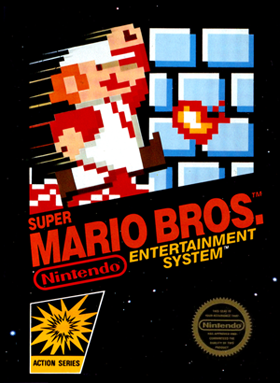
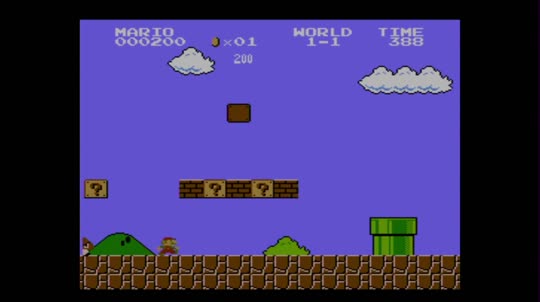
Your VERY first obstacle is a Goomba and a Pipe. The Goomba you’ll have to jump on to defeat, and the Pipe you can either jump on or jump over it.
Ladies and gentlemen, a Platform game! Looks pretty self-explanatory NOW, but just imagine, back in the day, you’ve generally NEVER played a platform game before. This first action introduces you to the idea of the video game character’s eternal struggle against the laws of physics!

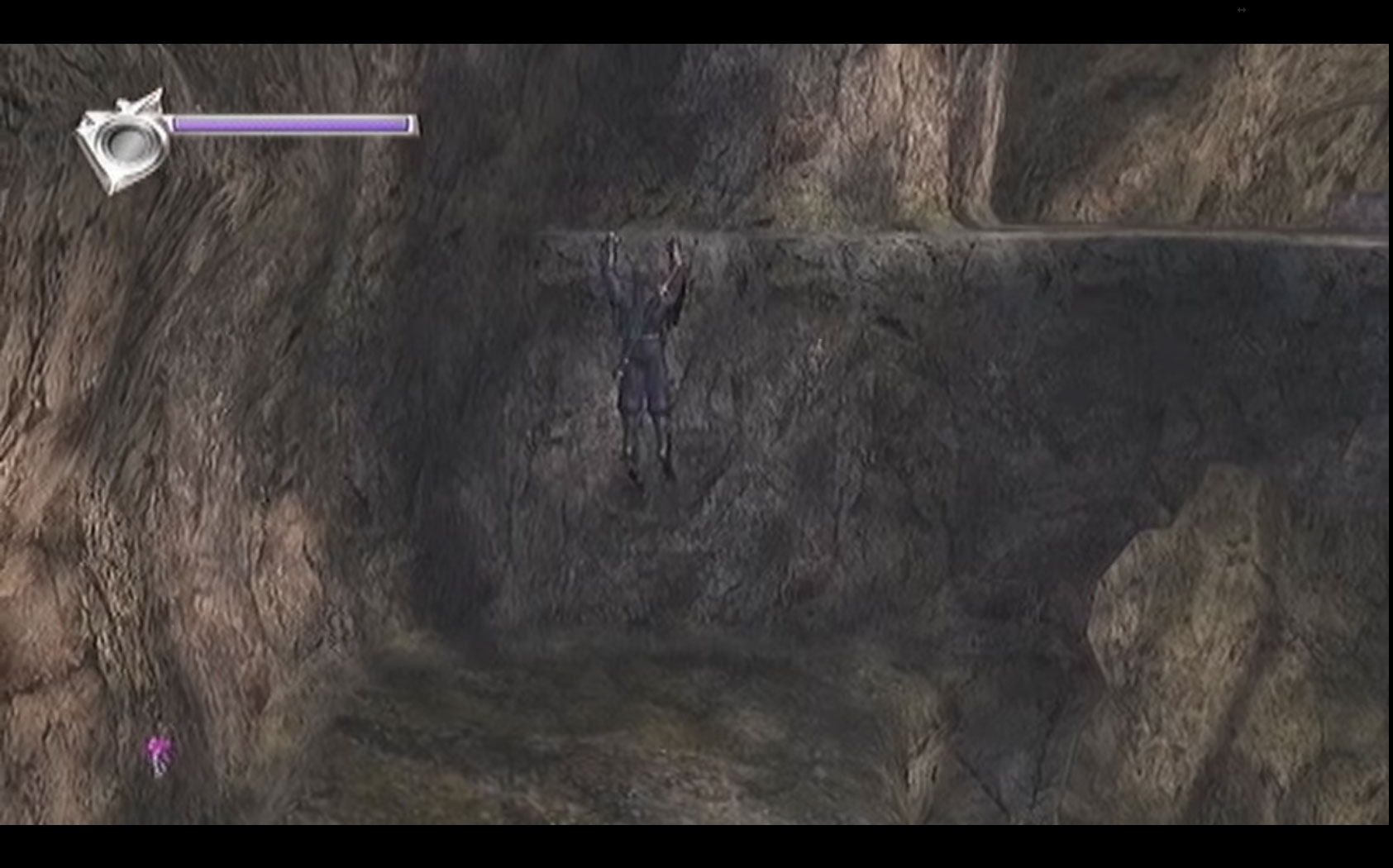
Now, this game may be known for it’s combat, but even BEFORE you even get your VERY first fight (unless you play it’s remake, Ninja Gaiden Sigma) the first action you learn is the wall run, which you use to climb up a wall and then hang on a ledge.
This first action alone is what deviates this game from a Samurai game to a Ninja game. Had it not been for all these Ninja acrobatics, Ryu could just as easily have been a sword-wielding Samurai and the whole game wouldn’t be any different. But thanks to the first meaningful action being acrobatics to get to the first fight, you are immediately introduced to the game’s theme. From now on you’ll look at the environment and say “can I use my Ninja acrobatics to traverse it?” rather than “Oh hey, that’s a wall, I guess I should go a different way.”
And thanks to that, the level design can be designed around it. Rather than giving you a town in which you simply traverse horizontally on the ground, you now traverse vertically by Ninja jumping to the roof, or wall running across buildings, or monkey-barring across washing lines.
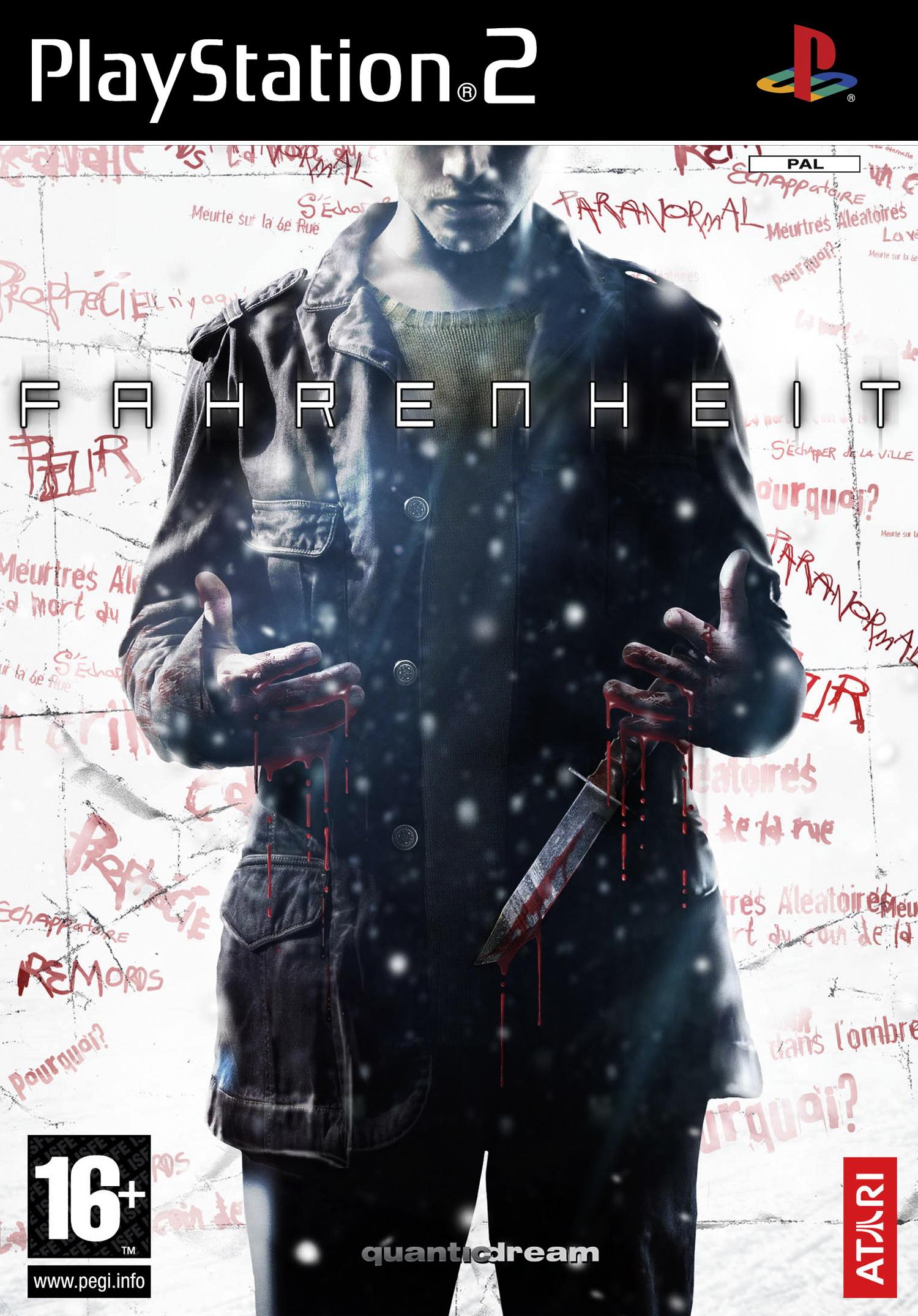
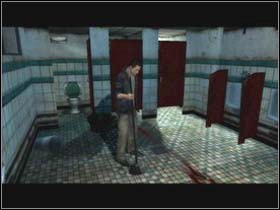
Now, whether you love or hate this game, you’ll have to admit that it has a MUCH better beginning than it’s spiritual successor, Heavy Rain. Whereas Heavy Rain starts out with a drawn out “Oh, look how precious my life is before it gets utterly destroyed after half an hour of cutscenes!”, Fahrenheit (or Indigo Prophecy in some areas) starts out with you in the bathroom, apparently having killed someone, COMPLETELY confused and being forced to hide the body before the police see what you’ve done.
As mentioned, since your first action is to HIDE A BODY, you’re immediately introduced to the theme of the game, which is a clear-your-name cat and mouse kind of adventure where you will have to sneak about, avoiding the cops and try to figure out the mystery of why you suddenly murdered a random person in the bathroom.
You may think these all seem self-explanatory, but there are many games that fail to set up a proper tone or mindset with the player because the Game Designer is way too focused with whatever story they want to tell.
Yes, it’s natural for a story to start out with the protagonist in a peaceful state before the conflict finally gets introduced, but what some people forget is that a Game is BOTH a Narrative AND a System.
Buy a Microwave. Is the first thing in the instruction booklet a story about the inventor of Microwaves and how this one is unique over all the others? No, the first thing you learn to do is to turn the thing on (or at the very least plugging it in).
Not to say that I wouldn’t find it hilarious if that’s the case though, I mean can you imagine a “Chosen One” Microwave?

So yeah, think hard about how you’re gonna introduce your game system or tone or mindset with the help of your player’s first meaningful action.
It doesn’t have to be a choice, it doesn’t have to be revolutionary, it doesn’t even have to be the game’s main mechanic. It just has to be something that will more easily make your player accept the design and ideas of the game.
 Game Philosophy