
Now, you might be wondering, what exactly about this story is so “revolutionary” that games should learn about?
Is it the symbolism of how stories reflect real life and vice versa?
Is it the required chemistry of two actors to pull off such opposite yet rather similar characters?
Is it the fact that it shows a story from the perspectives of two characters who aren’t the typical hero type?
Is it the many layers of complications the story gives that after the characters die, they somehow start back at the beginning of the story again?
Well, while those four things truly are qualities that I appreciate in any medium, whether it’s games, movies or TV shows, there’s actually a more simple thing that I find games should focus on.
Giving the characters the time to be themselves.
Let’s get back to what I said in the middle of the recap:
From here on out the story goes in a format of this:
Rosencrantz and Guildenstern mess around with stuff waiting for things to happen,

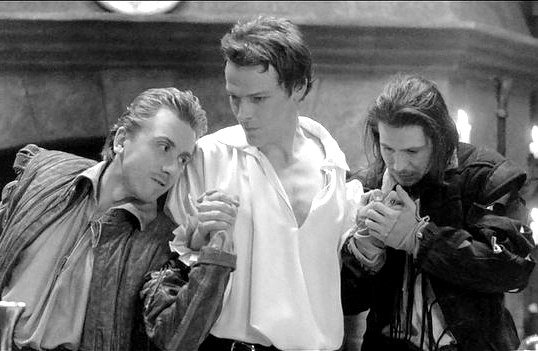
And then scenes of Hamlet happening from Rosencrantz and Guildenstern's point of view.
This format sounds repetitive, and I’m sure it is for some people out there, but think about it, isn’t this similar to how games are?
One time you’re messing around with the gameplay, then suddenly you’re following along in the actual plot, whether through cutscenes or a mission.
The big difference here is this: the story of Rosencrantz and Guildenstern does not put the characters in constant dread.
Most games have this story of “A great evil is taking over the world! You must stop them now!” or “This new Invention will destroy the world! Destroy it before it destroys US!” or “The world IS pretty much destroyed! Survive this apocalyptic world!”.
I know there are many that do something else, hell some high profile ones do something else like GTA, but the point is, this is the standard of video game stories.
Because of that, you almost never truly get to see the characters be themselves in a “normal” situation.
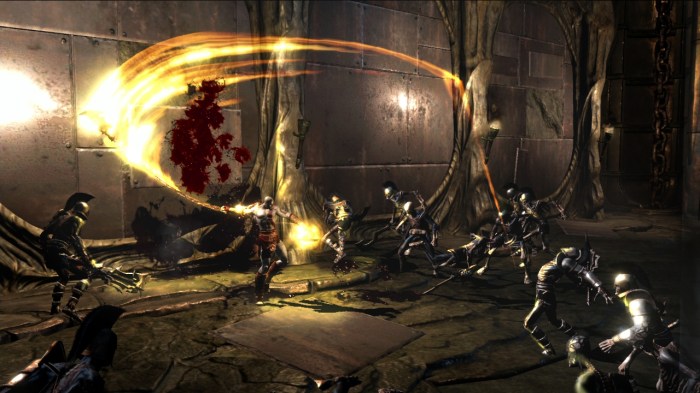
Heck, running around in a city invested with monsters is a “normal” situation in games.
You don’t see characters interact with each other that doesn’t involve “how do we stop this” or “we have to do something” and the like.
Everything has the fate of the world depending on it.
Instead, what’s the two scenes in Rosencrantz and Guildenstern that’s known to most people who’ve seen it?
These scenes made me care a lot more about the two characters than any growling crying scenes game characters have ever shown me.
It’s not about sympathy, it’s not about going “Oh no, my poor baby” and caring about them because they’ve been through “so much torment”.
It’s about me seeing the characters and saying “Yup, I’d like to talk to them. I’d like to be friends with them, they seem like interesting guys to hang around with.”
Not only that, but I feel a connection between them.
This is not a moment of “Oh my god, they’re so badass when they work together to defeat a common enemy!” or “Awwww, they give moral support to one another before the final fight!”.
It’s a moment where they have nothing to do. So they start doing things together. They talk. They play games. They disagree, they agree, they’re being HUMAN BEINGS!
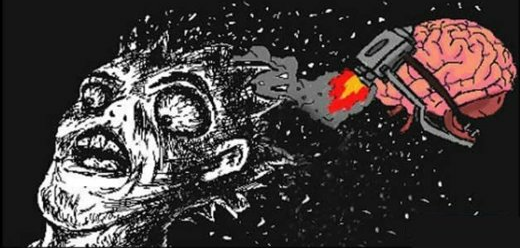
Tell me, how many games have you played where two characters are playing games together? When’s the last time you’ve played a game where two characters are waiting for something to happen and start talking to each other about whatever pops into their minds, something that DOESN’T relate to how evil or dangerous their situation is?
Now to be fair, the question some people will have now is “okay, how do you suggest we put those moments in the games then? I don’t feel comfortable about being forced to play a mini-game of baseball with the characters.”
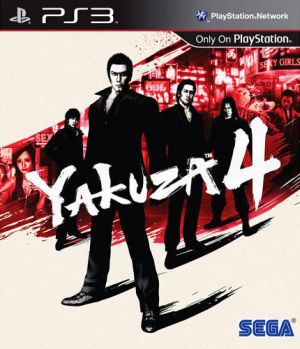
Now first of all, I’d like to point out that said baseball mini-game was actually pretty fun in a certain game:
But see, that’s the beauty of games. You can make stuff OPTIONAL.
Have a cutscene be an unlockable or hidden thing that would happen if you do certain things in the game, like this in Sonic Unleashed:
Or do something fun by modifying the existing gameplay.
You have a game that’s a hack-n-slash where you kill enemies with your sword?
Well, give them a part-time job where they have to perform as a knight at a play, they’d have a wooden sword instead of a real one and the “enemies” you fight are actors who overreact to getting hit. Maybe add audience sounds as the script tells you to be defeated in the end and have the audience GASP at the dramatic death scene.
There’s no need to turn it into a whole Quick Time Event mini game, just be creative with the gameplay system you already have.
Or put your character and their friends in an elevator in the longest tower in the game. You’re pretty much not going to do anything anyway, have the characters cough a bit at the silence and then have a small conversation like:
NPC#1: “So… I’ve been thinking about asking Sonia to marry me…”
Player: “No way! You serious?”
NPC#2: “FINALLY!”
NPC#1: “Yeah, it’s just that I haven’t been able to find the right ring yet…”
Player: “Oh that’s not a problem, you want our help with that?”
NPC#1: “Thanks! I’ve never been the best at jewelry.”
NPC#2: “Don’t worry, man, we got you covere…”
*Ding*
NPC#2: “COVER ME!” *Bang* *bang* *bang* *Gameplay resumes*
In conclusion, it doesn’t hurt to put scenes in a game that do not involve the fate of the world. Sometimes just adding a bit of humanity to the characters is enough reason to keep the scene in.
 Game Philosophy
One thought on “Game Philosophy: What games can learn from Rosencrantz and Guildenstern Are Dead”