

Phew, that was a loooooooooooooooooong summary, wasn’t it?
But I swear, that truly was the bare essentials I needed to cover to talk about this.
Rurouni Kenshin is a very complicated story with lots of twists and turns and this is just a very small part of the actual story.
But let’s get to the point, what can games learn from Rurouni Kenshin?
Obviously, how it deals with Love Triangles. Something very few games have ever done right.
Most of the time the love triangle is just a plot thing, something that just happens and doesn’t have any effect on the gameplay.
And when it IS in the gameplay… yeah… most of the time that just means you’re playing a Dating Sim-Lite within a bigger game.
But, as you can see from my previous post about Mentor Characters I like to think deeper about how to incorporate something in a game.
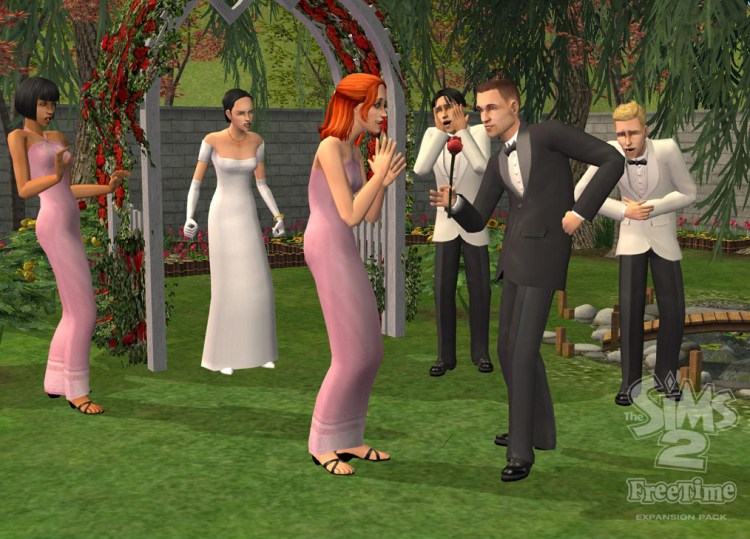
And to do that, we’ll have to look at what made Love Triangles such a popular choice in stories to begin with.
Say what you want about how Love Triangles are cliché and how they’re just there to please the people who want to live this escapist fantasy of being wanted by multiple love interests.
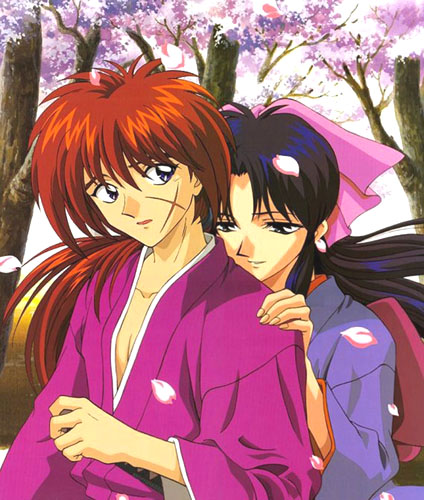

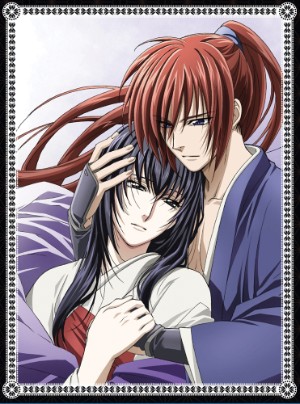
In the end, what made Love Triangles work, is that it shows two love interests as a metaphor for the two sides of the protagonist’s personality.
This is why such stories like the Phantom of the Opera work so well. There’s more to the story than just two men having a sing-off for the affection of an Opera Singer (ah, the most common way of wooing someone in France).

The main character of the story, Christine Dae, HAS two sides to her personality to compare herself to the two men in her life, the Phantom of the Opera and the Vicou de-… Vicome ze Za-… Vicomte De Champai-… Raoul. The two men fighting against each other pretty much represent the inner struggle of Christine Dae being torn between two identities.
Because of that, writers love to have the two love interests fight and bicker against each other in order to win the affection of the protagonist.
That in turn is usually what makes people hate Love Triangles, the amount of bickering.

What’s interesting with Rurouni Kenshin is that for all the differences the two love interests have, they never met each other face to face, never giving them a chance to have those childish bouts.

Instead, they play out Kenshin’s past relationship with Tomoe as a part of life, as it should be. She’s an important phase of his life that’s passed but never truly forgotten, while Kaoru is the person he finally decided to live in peace with for the rest of his life.
In fact, I’d argue that Tomoe is the real person who survived on that snowy night. Battousai/Kenshin’s body may have survived, but the soul that survived was Tomoe, who lives forth in Kenshin.
During the time when Tomoe was alive, she was the ditz while he was the annoyed one having to deal with her personality.
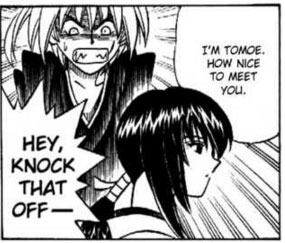

But after she died and Kenshin eventually settled in with Kaoru many years later, HE’s the ditz while SHE is the annoyed one having to deal with his personality.
Which means that for every time Kaoru talks to Kenshin, it’s actually Kaoru talking to Tomoe, in a spiritual sense.
This makes sure that Kaoru isn’t just a replacement for Tomoe, if anything Tomoe’s lasting impression on Kenshin pretty much turned him into a fully developed version of herself, one who was able to express herself, something she finally learned in her final moments before death. In short, Tomoe gave life to Himura Kenshin by suppressing the murderous Battousai.
Meanwhile, Kaoru is the woman that keeps Himura Kenshin alive. She’s Himura Kenshin’s next phase in life and the representation of his true redemption. It’s thanks to Tomoe that Himura Kenshin exists, and it is thanks to Kaoru that Himura Kenshin keeps existing.
And that’s something games should think about, a character’s phase in life.
When it comes to romance in games, usually they only revolve around one part of romance, namely “getting the girl”.
In games you don’t usually go through the other phases of love, like being IN a relationship or having a relationship fall apart.

Because of that, the only Love Triangles that usually occur in games are when the player has to choose between two love interests as the player character is still single.

The thing is that. as shown in Rurouni Kenshin, there are many ways one can deal with a Love Triangle, and it all has to do with which phase of life/love this is about.
How many games are actively involved in showing a relationship in progress?
How about games about a character dealing with a serious break up?
How about games where a character is cheating and has to deal with the consequences?
Not many, is there?
And yet all of those are subjects that have had their place in books and movies for as long as games even existed.
We should do better than that, because games as an interactive medium should actually be able to turn the character’s emotions into mechanics of the games, something that may even surpass the same feelings you get in films or books.
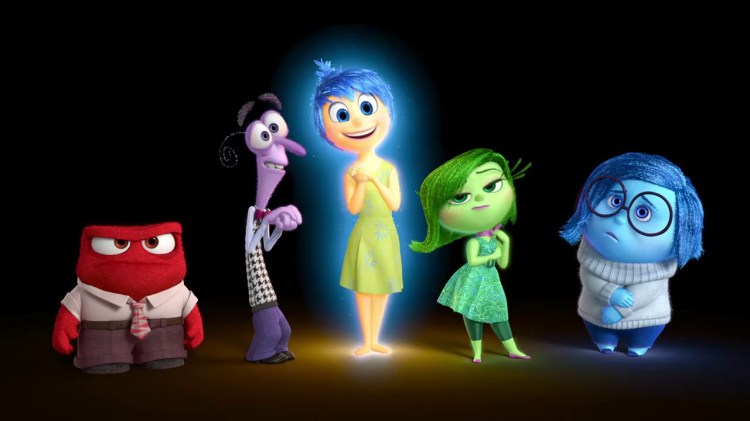
Have a game that starts out with the main character ALREADY in a relationship. Give that main character a skill or ability or game mechanic that is very obviously based on that love interest.
Then introduce the second love interest who has their own sets of skills. One that can be represented by having those skills/abilities/game mechanics be ones that the player character learns throughout the story of the game.
This would represent how the main character realizes they’re being influenced by their second love interest, who at times can be the more fitting choice than the main character’s true significant other.
It would then be up to the player whether the main character chooses the first or second love interest, and in turn, one set of skills or the other, which are represented by said love interests.

Or be completely like Rurouni Kenshin and have it be something outside the player’s control. Have a moment when the first love interest dies mid-way in the story, ala Final Fantasy VII.
Let this be a very important plot event that actually changes the main character.
Have them lose all the skills they unlocked in the meantime that relates to that love interest. Show how the main character is truly broken by this loss by showing them becoming as weak as how they started in the game.
Then, after a time skip, have the second love interest help the main character snap out of it. That love interest will teach the main character new skills throughout the next half of the game.
But the main character realizes that they can never truly let go of their previous love interest, and loses motivation to learn those new skills.
Then, something really bad happens, maybe the second love interest ended up in a very similar situation to the first love interest’s death (like how in the Spider-Man comics another woman in his life ends up being thrown off the bridge for the gajillionth time), or a very important memento of the first love interest is being threatened, I don’t know, come up with something.
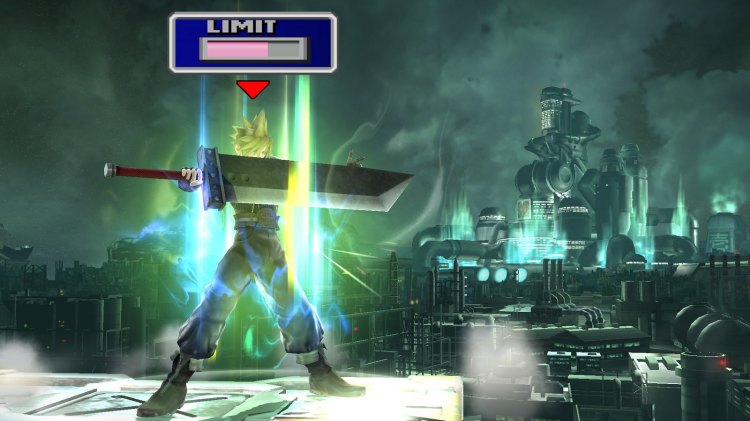
But that’s when the Main Character finally realizes how important that second love interest is in trying to help them. They’re not a replacement for their first love interest after all! They’re only there to ADD to the main character’s life experiences!
And with that, BOOM, all the first love interest’s skills come back, now with the added bonus of being able to mix and match with the skills of the second love interest.
And thus the main character finally became a fully developed character, both in writing as well as in gameplay. All helped by the influences of their two love interests, one from the past, and one in the present.
I’d like to point out that this way of writing love triangles is nothing new.
Heck in the comics, that’s pretty much how the romance of Spider-Man played out.
Peter Parker is in a Love Triangle with the Irresponsible Party Girl Mary Jane Watson and the Science Major Gwen Stacy.
It’s made clear that out of the two, Peter loves Gwen Stacy more than he loves Mary Jane Watson, considering her to be shallow and self-absorbed. But what’s interesting is that Mary Jane became just as much friends with Gwen Stacy as well as friends with Peter Parker.
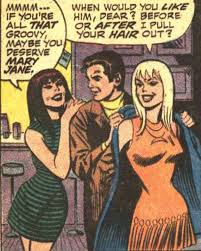
Then the infamous chapter happens where Gwen Stacy died.

But her death didn’t just affect Peter Parker, it also affected Mary Jane Watson. Gwen’s death changed Mary Jane’s outlook on life and in turn changed her from a self-absorbed Party Girl into a responsible young lady, but not without losing her strong personality that made people love her in the first place.
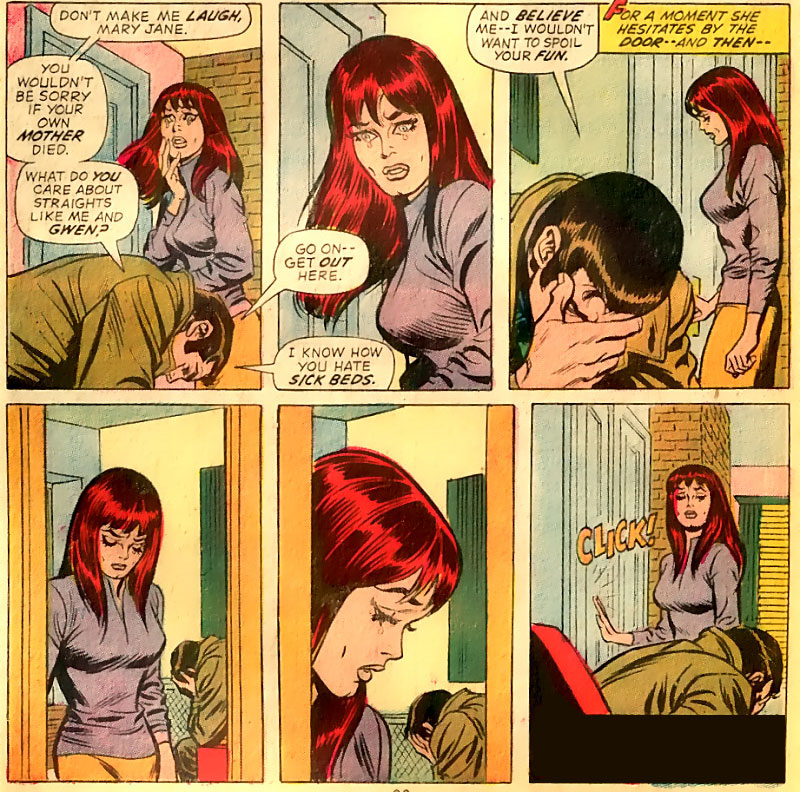
When you think about it, that new Mary Jane became a fusion of the previous Mary Jane and the Gwen Stacy who passed away, turning her into a fully developed character.
These two deserve one another, having both of them be affected by Gwen Stacy’s death means that fate brought them together. Both of them experienced that with great power, there must also come great responsibility.
Their eventual marriage is not out of some victory for Mary Jane who “got the guy”, but out of true love that organically grew the further their shared grief goes.
Gwen Stacy’s death was just as much a loss for Mary Jane as it was for Peter Parker.
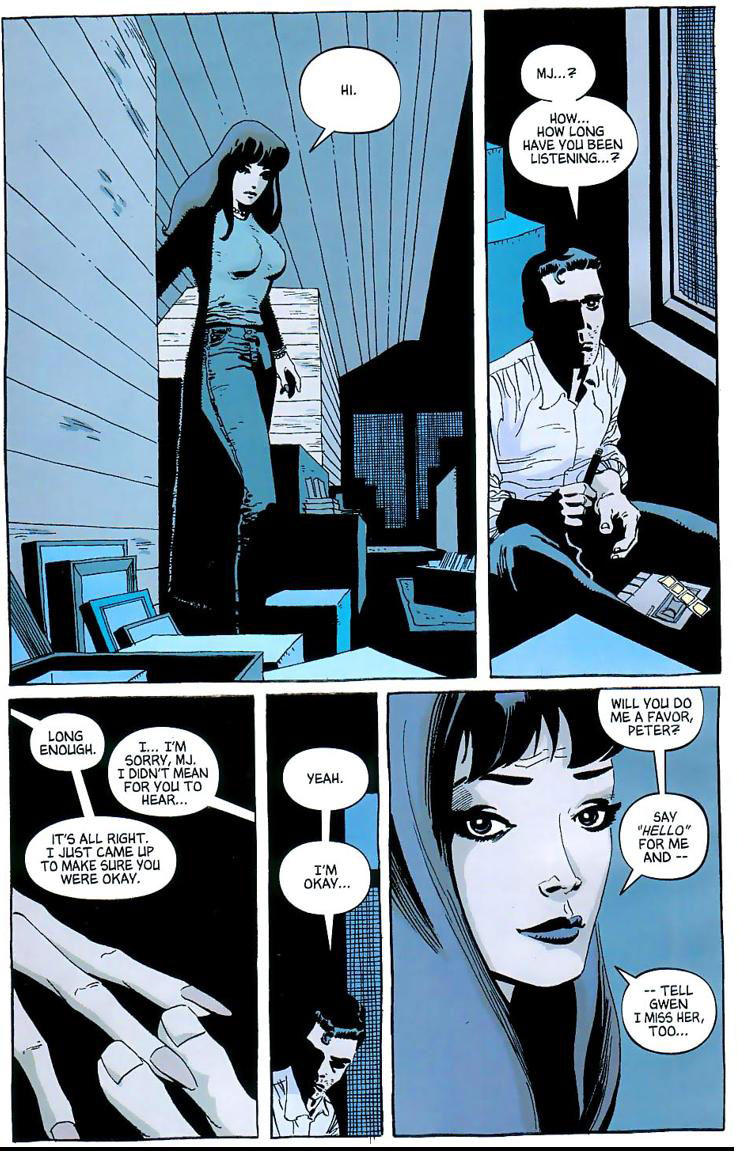
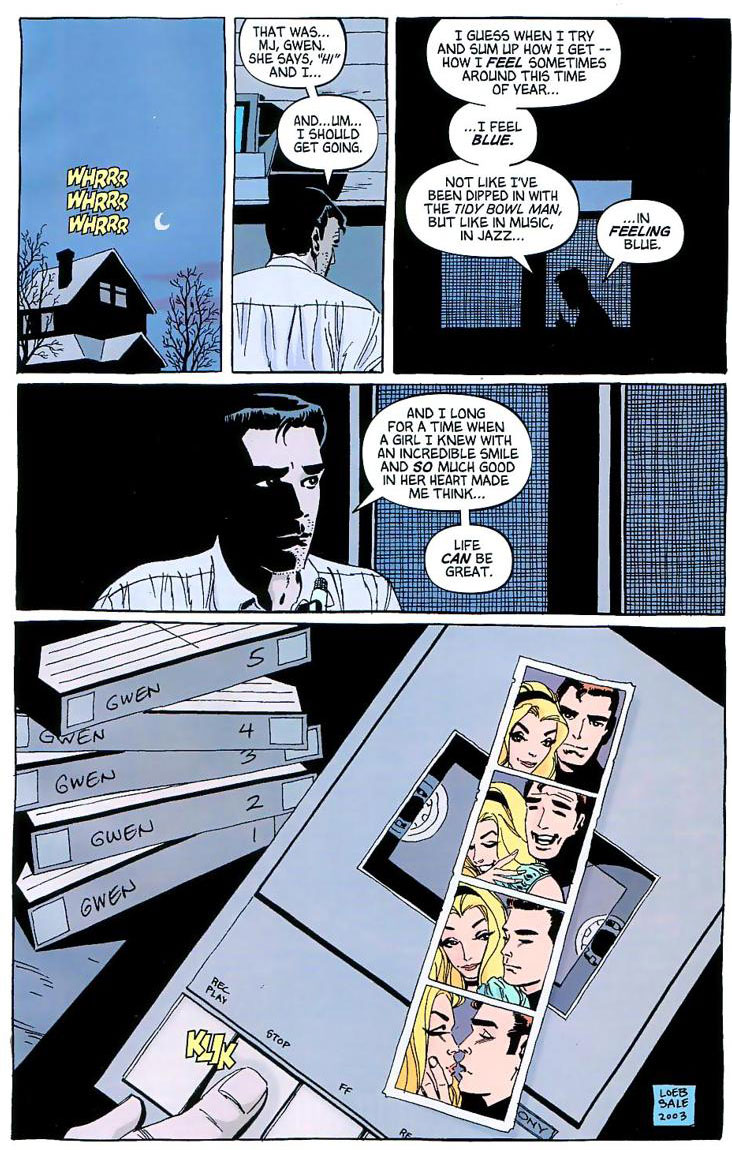
And then some idiot editor called Joe Quesada ruined it by having them make a deal with the devil, oh I’m sorry, Mephisto, to undo their marriage because he can’t handle having Peter Parker being in a relationship unless it’s with some kind of self-insert fanfiction character of his own daughter for some reason, and it’s just so stupid stupidstupidstupid Stupidstupid STUPIDSTUPID RAHSAHEASHFFAHSDFAHSDAFGHWRH!!!!!!!!!!!!!!!!!!

Sorry, just had a psychotic episode there.
Anyway, I’d like to stress the fact that it is not mandatory, but definitely recommended that the two love interests differ enough both in ideology as well as personality and motives.
Like I said, the reason why Love Triangles work is because the two love interests represent the two sides of the Protagonist’s personality, and that won’t work if both of those sides are practically the same. It only shows how one-dimensional the character really is otherwise.
With Rurouni Kenshin, it’s not just the personalities of Kaoru and Tomoe that made them different, their ideologies and motives are perfectly represented by the weapons they wield.
Tomoe has a knife:
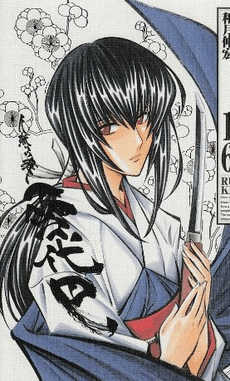
Which represents her desire for vengeance, yet it also has a sheath to contain her madness, something that she ends up becoming for Battousai.
Kaoru has a wooden sword:

Which represents her innocence, unlike Tomoe she is a girl who lived her life free of bloodshed and she’s dedicated in her Dojo’s “Sword That Revitalizes Life” concept, something that constantly reminds Kenshin of why he needs to continue living.
In summary:
- Look for more ways one can do in a game with a Love Triangle than the typical “choose your romantic partner” option.
- Have the two love interest mean something rather than just be two hot potential partners for the main character to be with.
- Remember what made Love Triangles work to begin with, don’t just do it because it’s the popular choice.
- Games are an interactive medium, based around mechanics. Make use of those mechanics to tell the story.
Now, mind you, I am not saying that this means ALL games should have Love Triangles, that would be silly.
What I AM saying is that when a story features a Love Triangle, there better be a good reason for it in the game, because when such a thing is annoying in a TV Series or Movie, it’s ten times as annoying when it’s in a game without any purpose.
While games are entertainment, they entertain via interactions. What one can forgive in a movie can be a lot less forgiving to the same thing in a game.
 Game Philosophy